Integrative Acupuncture and Chinese Medicine
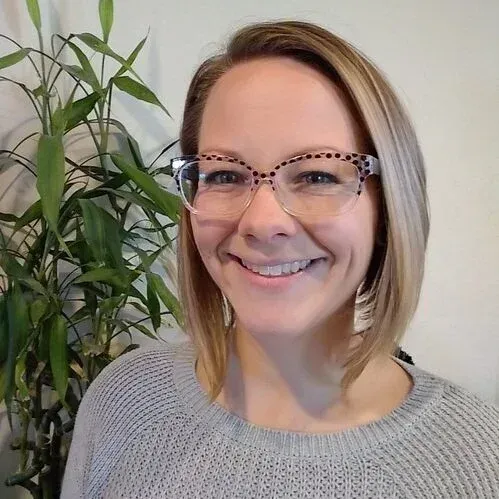
Katie Dautrich, Owner
Hi, I’m Katie Dautrich, owner of The MAYA Center. I offer flexible office hours, payment options, and personalized treatment strategies designed to meet you and your lifestyle where you are.
I hold a Master of Science in Traditional Chinese Medicine, am a Nationally Certified Diplomate of Acupuncture and Oriental Medicine, and am a Licensed Acupuncturist in Colorado. My background also includes a Bachelor’s Degree in Health and Exercise Science and a 200 hour Yoga Teacher Training, all of which inform my integrative and whole body approach to care.
My Approach to Your Health
My approach is intuitive, detailed, and deeply individualized. I work with both the body and the person in front of me, meeting you exactly where you are in each session. This creates trust, builds connection, and allows for meaningful, often rapid, shifts in your health and well being.
With extensive training in both the physical and subtle body, I am able to recognize patterns that are often overlooked or misunderstood. This perspective allows me to treat the root of an issue rather than just managing symptoms.
I draw from a wide range of modalities within Chinese Medicine and beyond, giving me a broad and adaptable toolkit. My work is often hands on, incorporating massage, movement, and assisted stretching alongside traditional therapies to support deeper integration and lasting results.
Feel Better Today
A Flexible Approach to Healing
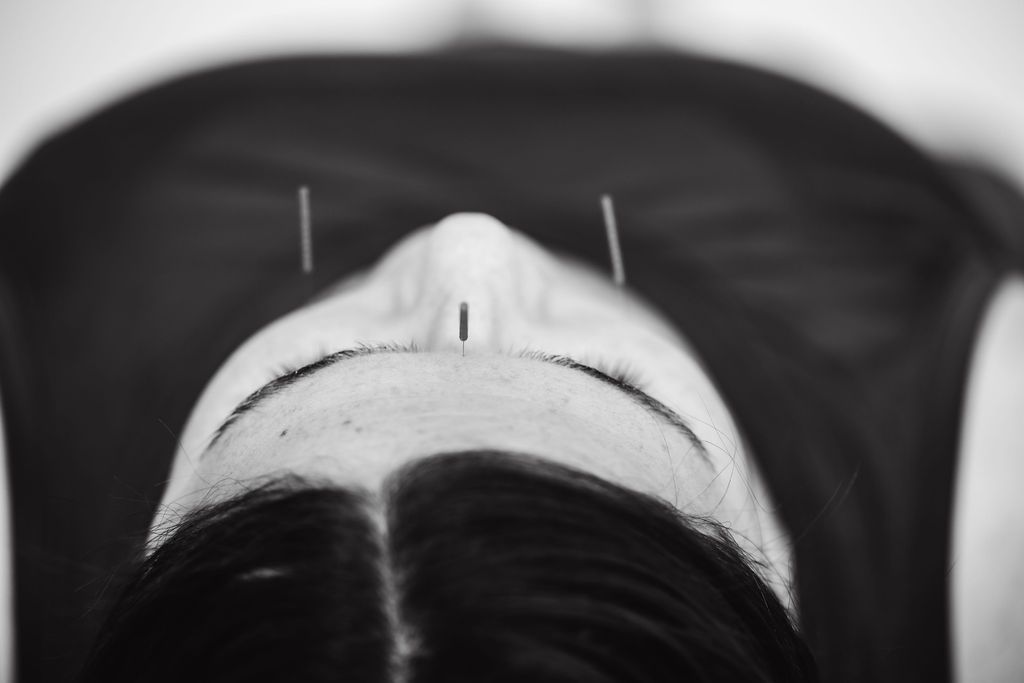
While acupuncture is a powerful tool, it is not the only one. Chinese Medicine offers many pathways to healing, and I work with each client to find the approach that feels right for them. Even if you are unsure about needles, there are still many effective options available to support your health.
Areas of Focus
I specialize in supporting clients with
- Emotional trauma and psychological health
- Chronic and acute pain
- Digestive concerns
- Hormonal and menstrual imbalances
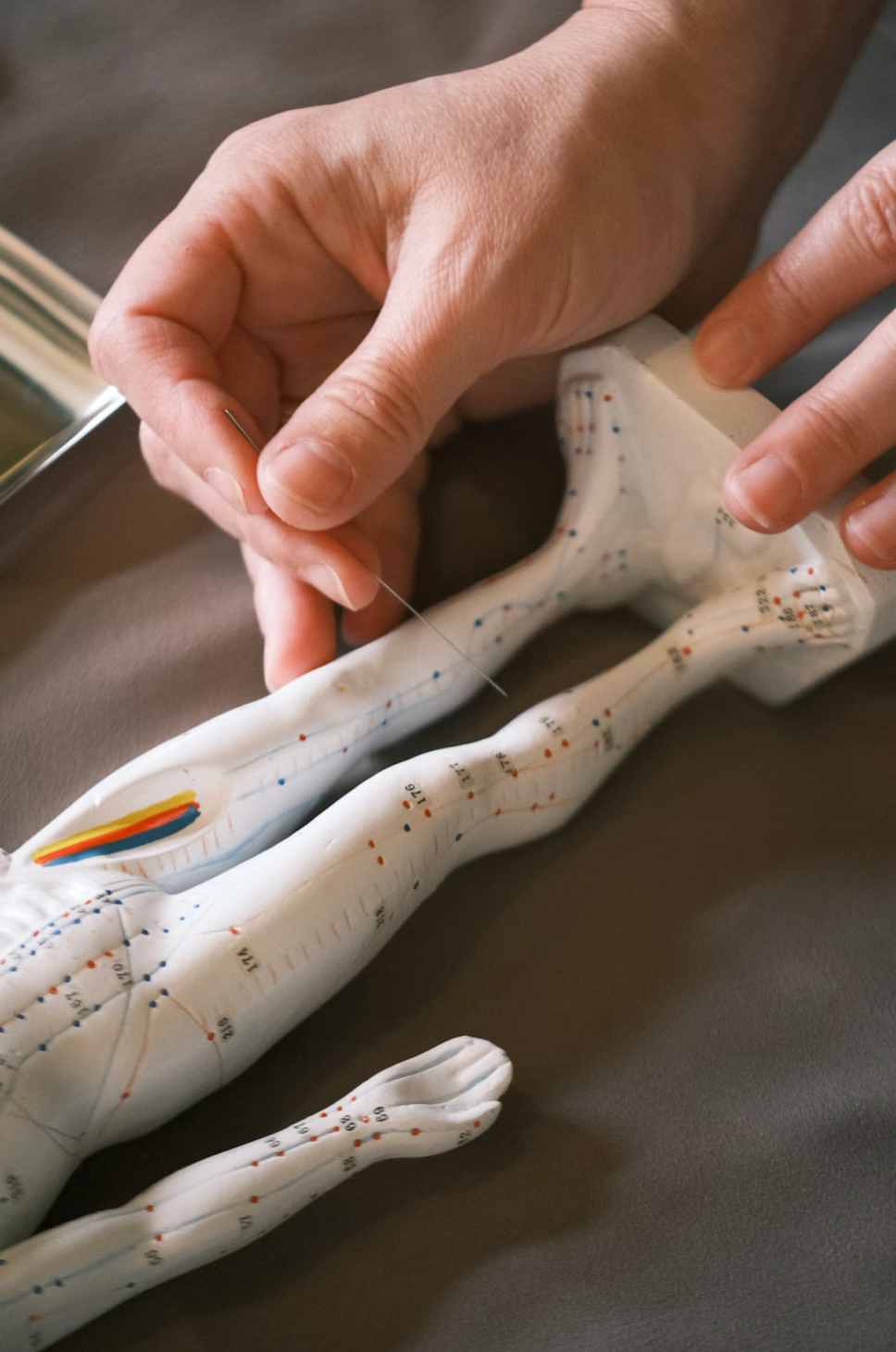
History of Chinese Medicine
Chinese Medicine is one of the oldest healing systems in the world, with roots dating back over 3,000 years. Early texts reference herbal medicine, surgical techniques, and the use of needles, with foundational works like the Huang Di Nei Jing establishing core principles of anatomy, physiology, and treatment that are still used today.
Over thousands of years, the medicine evolved into a comprehensive system, developing detailed diagnostic methods, extensive herbal pharmacology, and specialized fields such as pediatrics, gynecology, and manual therapies.
In the early 20th century, Traditional Chinese Medicine faced suppression during China’s shift toward Westernization, but it endured and was later reintegrated into the national healthcare system. By the 1950s, efforts were made to combine Eastern and Western medicine.
Acupuncture was introduced to the United States in the 1970s, gaining national attention after a New York Times journalist documented its effectiveness following surgery during a visit to China. Shortly after, formal education and practice began to establish across the country.
In a nutshell
Acupuncture and Traditional Chinese Medicine form a comprehensive system of care that addresses both internal imbalances and physical pain. By supporting the body’s natural ability to heal, it helps restore balance, improve overall function, and prevent illness.